Securing a residential property requires a systematic pest control service Waldorf homeowners count on to eradicate active colonies and reinforce physical structural perimeters. High seasonal humidity near Cedarville State Forest, heavy clay soil retention around the Mattawoman Creek watershed, and dense architectural framing across Charles County create persistent pathways for wood-destroying insects and nesting rodents.
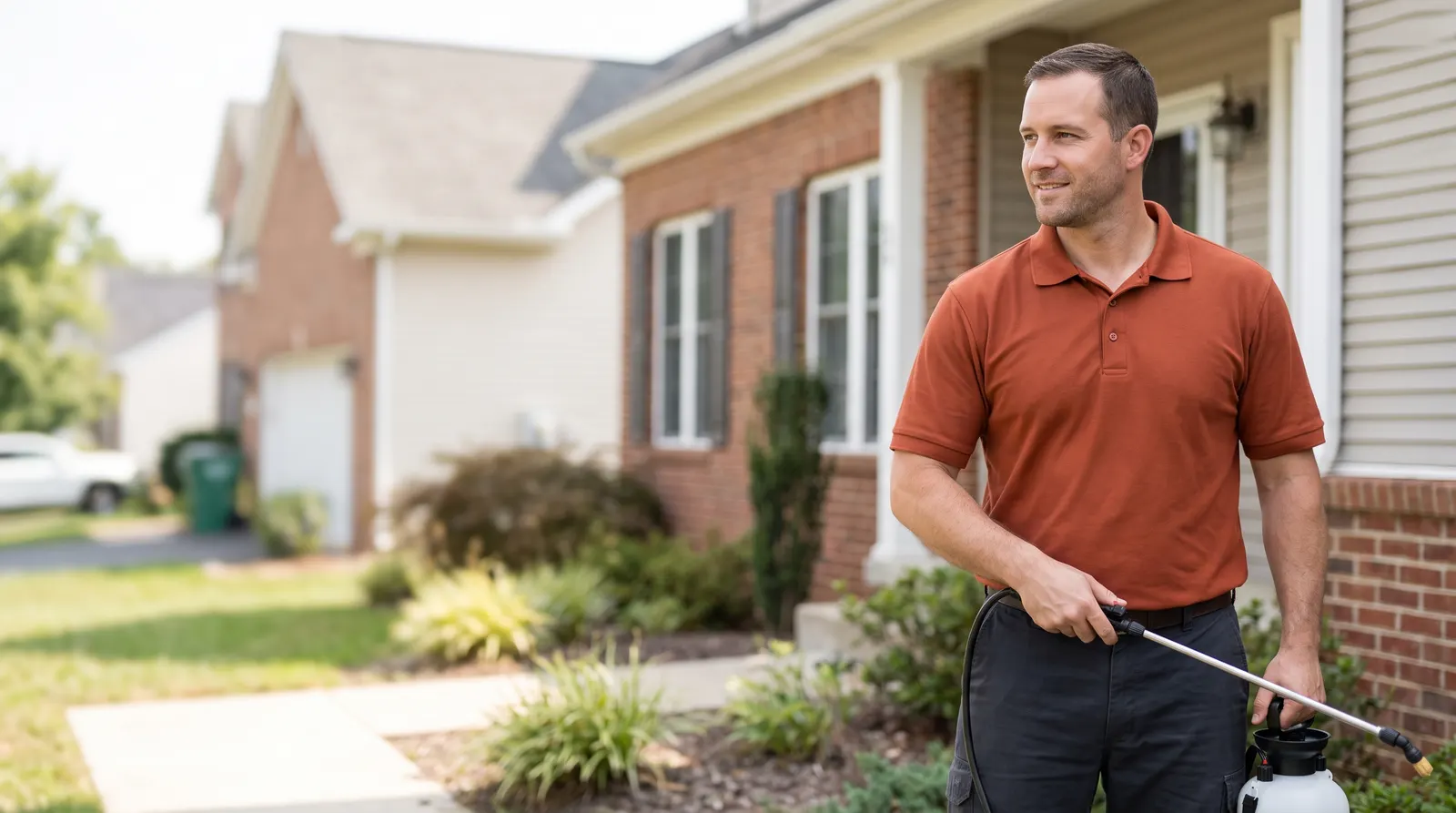
Pest Control Service in Waldorf is an integrated biological and physical pest management discipline that identifies entry points, eliminates active breeding populations, and secures residential structures against seasonal re-infestation.
Every service reflects the same meticulous attention to detail — whether it's a single job or a larger pest control service project across Waldorf.
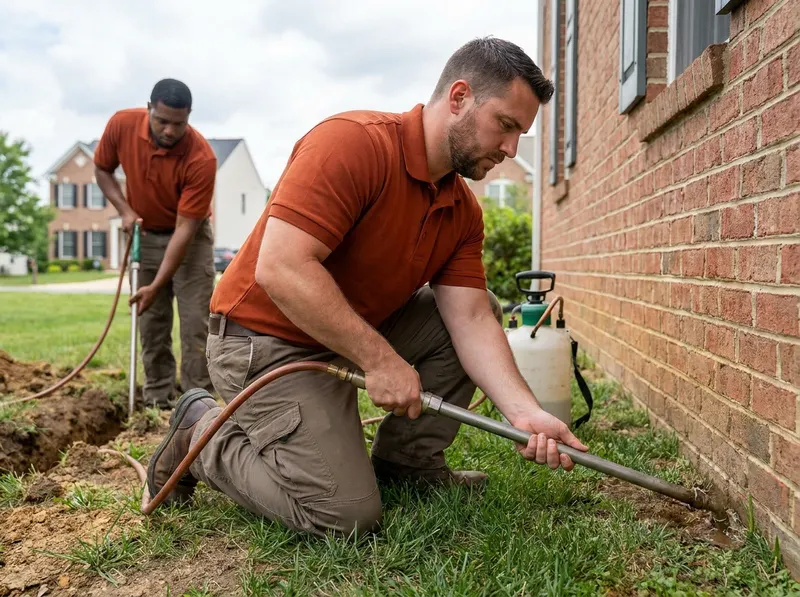
Subterranean termites (Reticulitermes flavipes) cause severe structural degradation across Southern Maryland by tunneling through foundation expansion joints, hollow masonry blocks, and crawl space support piers. Our remediation protocol begins with an exhaustive structural moisture mapping inspection to pinpoint active mud shelter tubes and hidden structural damage behind finished drywall. Technicians establish an unbroken non-repellent liquid termiticide barrier in the soil surrounding the foundation perimeter, treating both exterior trench lines and expansion joints. In addition, tamper-resistant subterranean monitoring and baiting stations are installed at ten-foot intervals along the property perimeter to intercept foraging worker termites. When foraging workers contact the non-repellent agent, they unknowingly transfer the active compound throughout the central nest via mutual grooming, neutralizing the reproductive queen and collapsing the entire subterranean colony without disrupting household routines.
View details →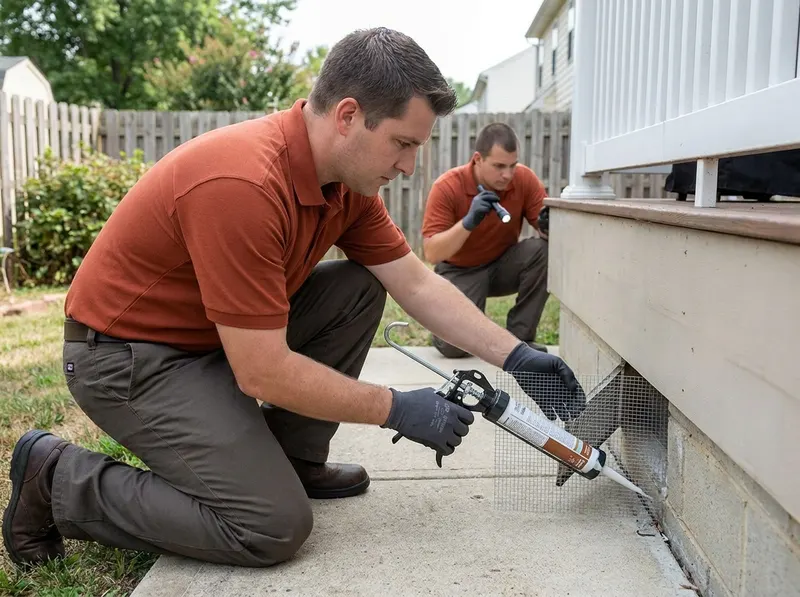
Field mice (Mus musculus) and Norway rats (Rattus norvegicus) exploit structural gaps as small as one-quarter of an inch along foundation mudsills, air conditioning line sets, roof returns, and garage door thresholds. Our guardian defense methodology rejects dangerous interior broadcast poisons that lead to animal expiration inside inaccessible wall cavities. Instead, technicians perform multi-point mechanical exclusion using corrosion-resistant galvanized steel hardware cloth, woven copper mesh, exterior metal flashing, and silicone-based elastomeric sealants to permanently block ingress points. Simultaneously, targeted mechanical capture stations are strategically deployed along active interior travel corridors, drop ceilings, and attic crawl spaces. Once interior populations are fully eliminated, technicians perform thorough droppings removal, localized sanitization of contaminated surfaces, and insulation inspection to ensure clean, pathogen-free indoor air quality.
View details →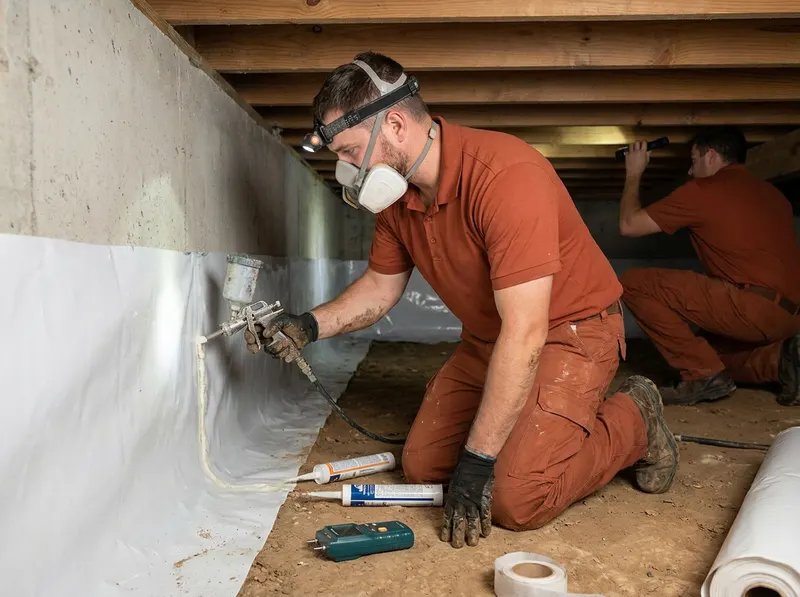
Vented dirt crawl spaces beneath Waldorf residential properties trap high ground moisture from regional clay soils, creating an optimal environment for camel crickets, subterranean termites, silverfish, and wood-decay fungi. Our comprehensive crawl space pest mitigation strategy transforms damp sub-floors into clean, conditioned defensive spaces. Technicians grade the crawl space earth, install a continuous 20-mil reinforced antimicrobial vapor barrier across the ground and up the foundation walls, and permanently seal exterior foundation vents. Structural framing, rim joists, and sub-floor timbers receive direct applications of therapeutic disodium octaborate tetrahydrate to prevent wood-boring beetle infestations and inhibit fungal spore germination. High-efficiency commercial crawl space dehumidifiers are installed to maintain relative humidity below 55 percent, permanently eliminating the moist microclimate required for insect survival.
View details →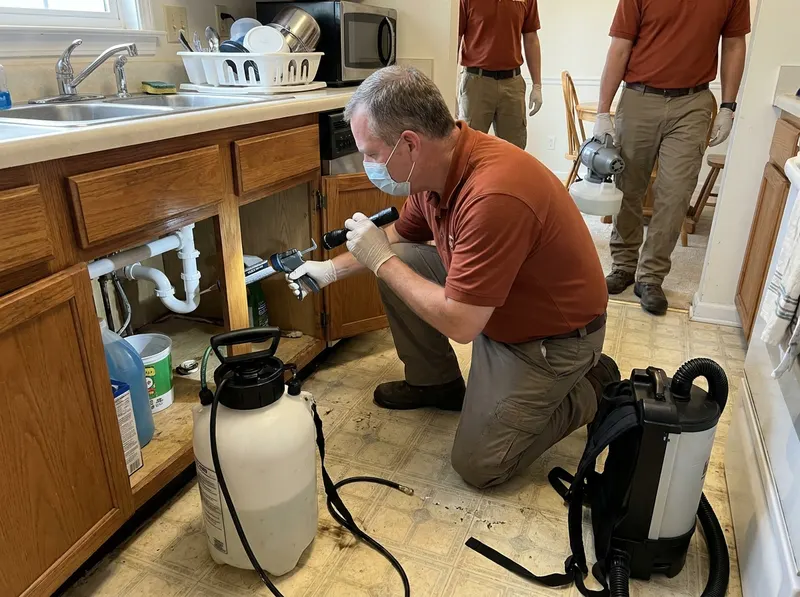
German cockroaches (Blattella germanica) and American cockroaches (Periplaneta americana) establish dense colonies inside kitchen cabinetry, plumbing wall chases, appliance motor housings, and utility sub-assemblies. Effective remediation requires breaking the reproductive cycle rather than relying on standard over-the-counter surface sprays that scatter foraging insects into adjacent rooms. Technicians execute precision void injections utilizing insect growth regulators (IGRs) that prevent juvenile nymphs from reaching reproductive maturity and shedding their exoskeletons. Highly palatable micro-encapsulated gel baits featuring abamectin or indoxacarb are placed directly within concealed structural crevices and electrical junction housings. High-efficiency particulate air (HEPA) vacuum extraction is utilized during initial cleanouts to immediately remove active adults, egg cases (oothecae), and allergenic debris, rapidly restoring clean and hygienic indoor conditions.
View details →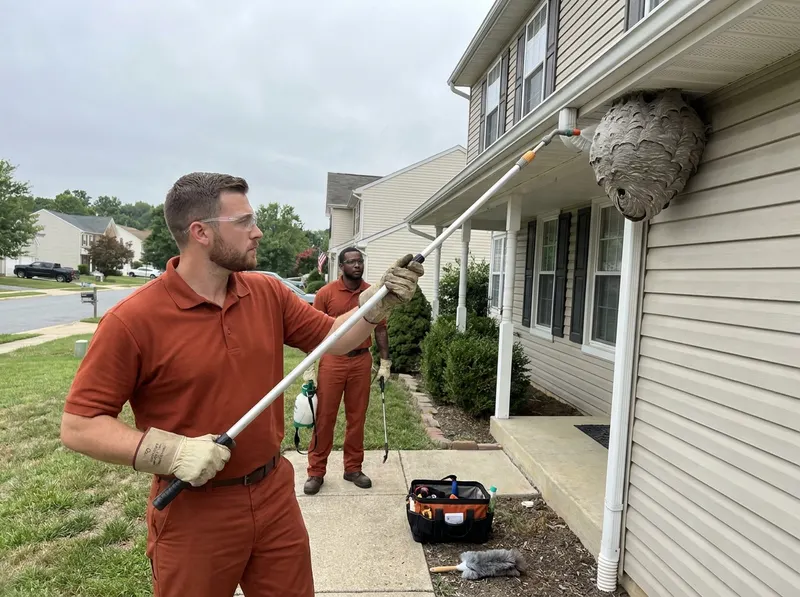
Bald-faced hornets (Dolichovespula maculata), paper wasps (Polistes metricus), and yellowjackets (Vespula maculifrons) build hazardous aerial, soffit, and ground nests around residential rooflines, deck cantilevers, and landscaping beds. Technicians utilize specialized high-reach application lances and protective gear to neutralize active nests quickly without agitating worker wasps toward family gathering zones or adjacent neighboring yards. Technicians apply targeted insecticidal aerosol formulations directly into nest entry apertures to neutralize defensive guard insects instantly. Following complete knockdown, nests are physically removed, and surrounding architectural surfaces receive residual botanical repellent dustings to mask lingering homing pheromones and prevent secondary queen colonization in identical structural voids throughout the late summer and autumn seasons.
View details →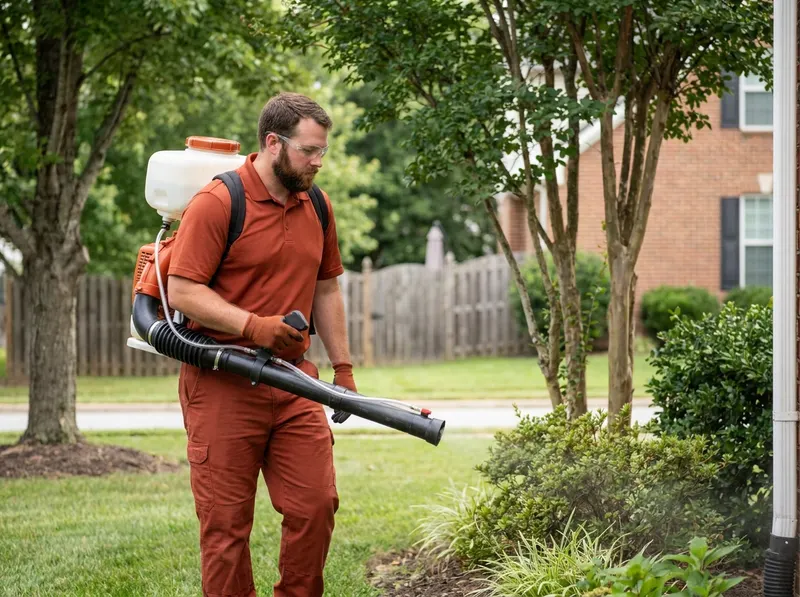
Dense deciduous foliage, shaded property perimeters, and seasonal drainage swales across Charles County provide prime breeding habitat for Asian tiger mosquitoes (Aedes albopictus) and blacklegged deer ticks (Ixodes scapularis). Our outdoor defense program systematically reduces vector pest populations while protecting beneficial garden pollinators. Technicians map exterior harborage zones, targeting the undersides of dense ornamental shrubbery, structural ecotones, shaded mulched planting beds, and low-hanging tree canopies with focused, botanical-based barrier mists. Standing water collection basins, retention pond edges, and catch basins receive biological larvicide briquettes formulated with Bacillus thuringiensis israelensis (BTI), which specifically destroys aquatic mosquito larvae within twenty-four hours without harming domestic pets, aquatic plants, or local wildlife.
View details →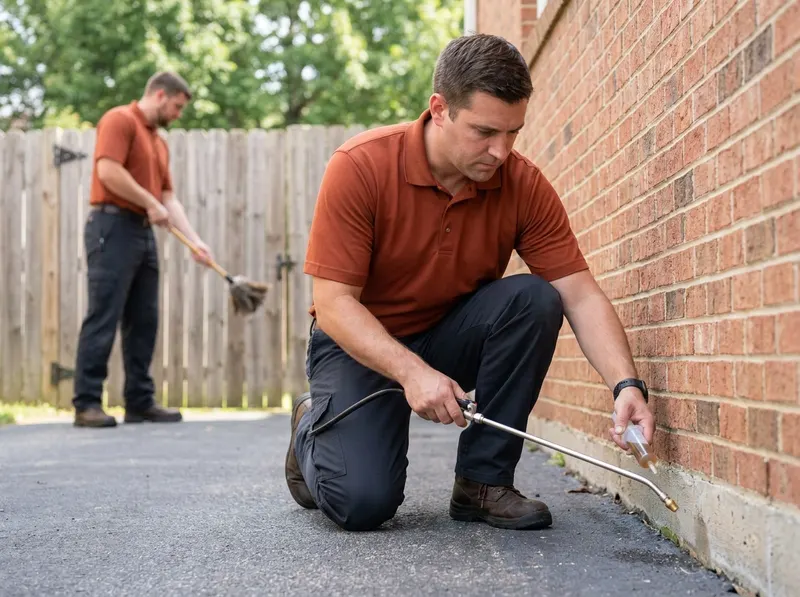
Carpenter ants (Camponotus pennsylvanicus), odorous house ants (Tapinoma sessile), and pavement ants (Tetramorium immigrans) breach structural envelopes to establish foraging trails between exterior nesting sites and indoor pantry resources. Carpenter ants bore complex galleries through moisture-softened structural framing, window headers, and sill plates, causing significant structural weakening over time. Technicians identify foraging trails along foundation perimeters, garden bed borders, and overhanging tree branches. We apply non-repellent transfer chemistry along exterior foundation stem walls and structural entry points. Foraging worker ants pick up microscopic particles of the active agent and carry it back to satellite and parent nests deep inside wall cavities or tree stumps, eliminating the egg-laying queens. Exterior structural fractures around utility bibs, brick weep holes, and window sills are mechanically sealed to block re-entry.
View details →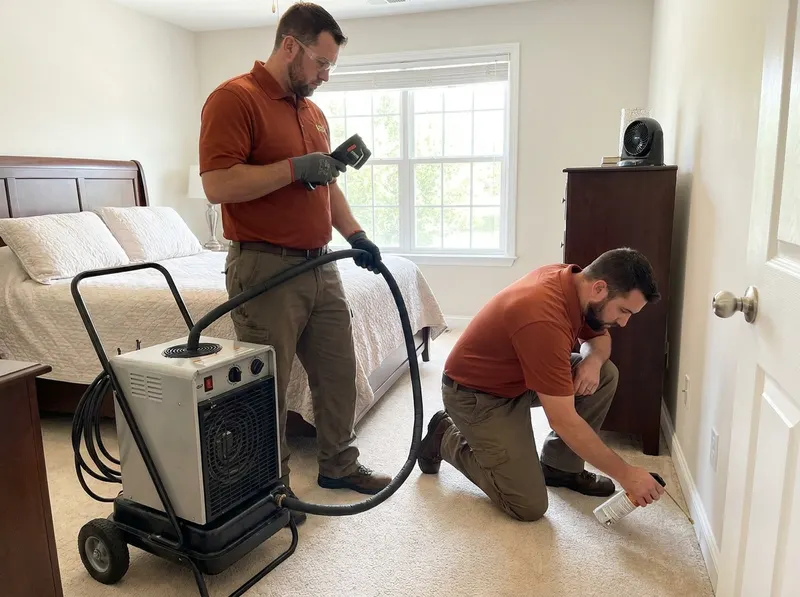
Bed bugs (Cimex lectularius) harbor in close proximity to human hosts, concealing themselves within mattress seams, box spring corners, baseboard channels, electrical outlets, and upholstered furniture. Because modern bed bug strains demonstrate high resistance to conventional synthetic pyrethroids, our multi-stage remediation approach combines targeted physical heat treatment with advanced residual contact chemistry. Technicians utilize commercial dry structural steam reaching temperatures in excess of 180 degrees Fahrenheit to instantly neutralize adult bed bugs, nymphs, and unhatched eggs embedded within textile fibers and deep wooden mattress frames. This thermal knockdown is reinforced with long-lasting amorphous silica desiccant dust injected behind wall baseboards, switch plates, and door frames, alongside micro-encapsulated juvenile hormone disruptors that provide lasting residual protection against surviving or newly introduced insects.
View details →Pest Control Service in Waldorf is an integrated biological and physical pest management discipline that identifies entry points, eliminates active breeding populations, and secures residential structures against seasonal re-infestation.
You get a firm, itemized quote for your pest control service before any work begins — no surprises, no pressure.
Careful prep, tidy work, and a full cleanup when we are done. We treat your home and belongings like our own.
The same trusted, background-checked team from the first call to the final check.
Selecting the appropriate residential pest defense protocol depends on pest biology, colonization depth, foundation architecture, and structural moisture levels. If your Charles County home exhibits hollowed framing timbers, mud shelter tubes along foundation walls, or discarded reproductive wings near window sills, choose structural subterranean termite remediation to halt active wood destruction at the footing level. If attic scratching, chewed wiring insulation, or droppings behind kitchen appliances indicate mammalian activity, choose mechanical rodent exclusion paired with interior trapping to seal entry pathways permanently. For single-story slab foundations common throughout St. Charles villages like Bannister and Wakefield, exterior barrier treatments and weep-hole screening provide the most effective defense against pavement ants and American cockroaches. Conversely, for multi-level homes with vented crawl spaces in older wooded developments near Pinefield and Dorchester, sub-floor vapor encapsulation combined with targeted borate wood treatments is required to prevent camel crickets, fungal rot, and wood-boring beetles. The operational trade-off between ongoing exterior perimeter maintenance and targeted interior extraction centers on prevention versus correction: exterior barrier applications create a continuous defensive perimeter that stops crawling insects before they breach the building envelope, requiring minimal indoor chemical exposure; intensive interior extraction resolves deeply entrenched infestations inside wall cavities and sub-flooring but leaves the structure vulnerable to recurring infestations if structural perimeter gaps remain unsealed.
Every project gets a firm, written price after a free on-site visit. Ranges below for orientation.
Tell us about your pest control service job and we'll send a clear, written quote — usually the same day. Or just call and talk to a real Waldorf pro.
(227) 722-4045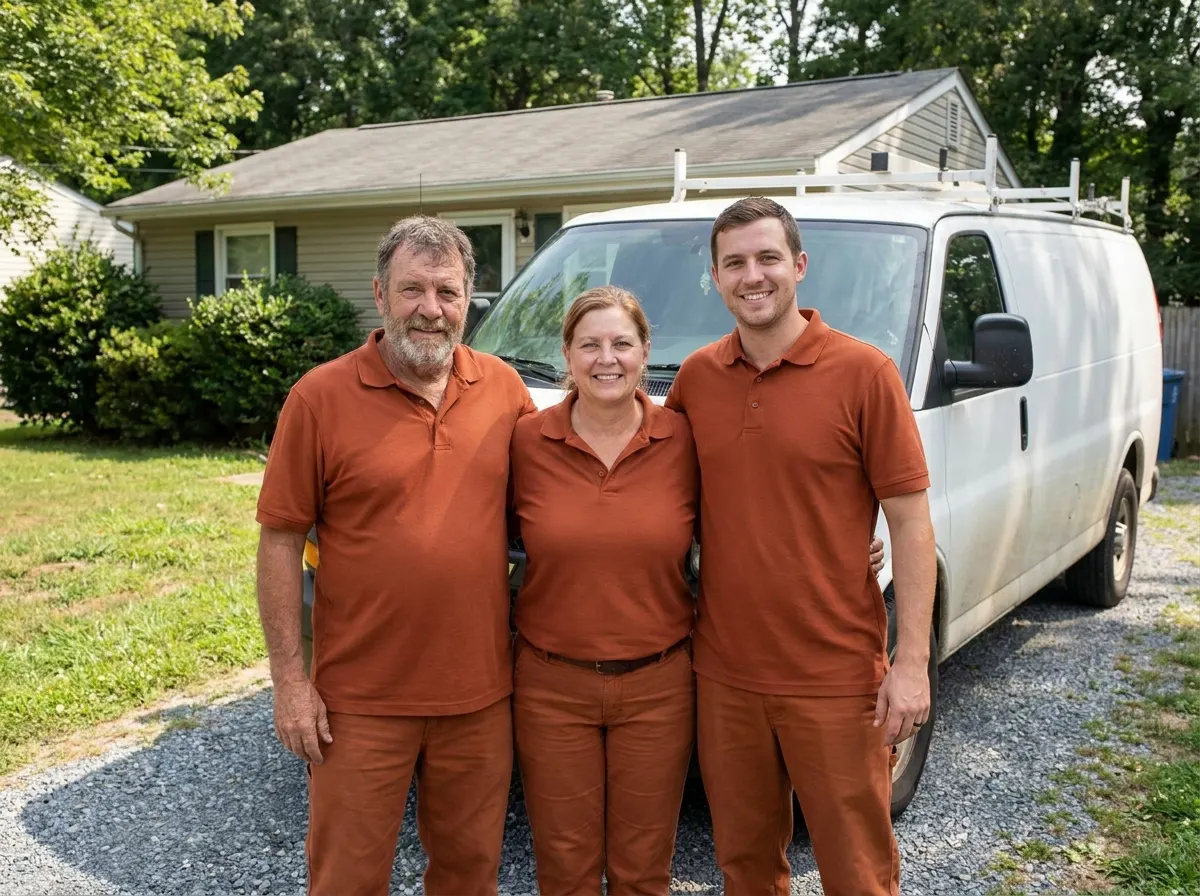
Properties throughout Waldorf encounter heavy structural pest pressure driven by dense, slow-draining marine clay soils, high water tables surrounding the Zekiah Swamp and Mattawoman Creek drainage basins, and seasonal shifts between hot, humid summers and damp winters. Communities bordering the expansive woodland timberlines of Cedarville State Forest face intense rodent and wildlife migrations every autumn as temperatures decline, pushing field mice and Norway rats toward residential foundation sills and garage perimeters. In mature planned neighborhoods such as Bannister, Dorchester, Sheffield, and Carrington, older slab-on-grade developments and traditional vented crawl spaces frequently develop subterranean termite pathways through microscopic expansion joints, unsealed plumbing penetrations, and settling foundation footings. Commercial and residential expansion along the busy Route 301 and Route 228 corridors near St. Charles Towne Center, Smallwood Village Center, and Charles County Plaza disturbs natural soil ecosystems, displacing nesting ant super-colonies and outdoor roach populations toward established residential properties. Providing durable, long-term pest defense across Charles County requires tailored soil barrier chemistry, strict mechanical exclusion techniques, and sub-floor moisture controls engineered specifically for the distinct geological, architectural, and biological characteristics of Southern Maryland.
Free estimates for Waldorf & the surrounding area.
 Redwood Guard Pest Control